
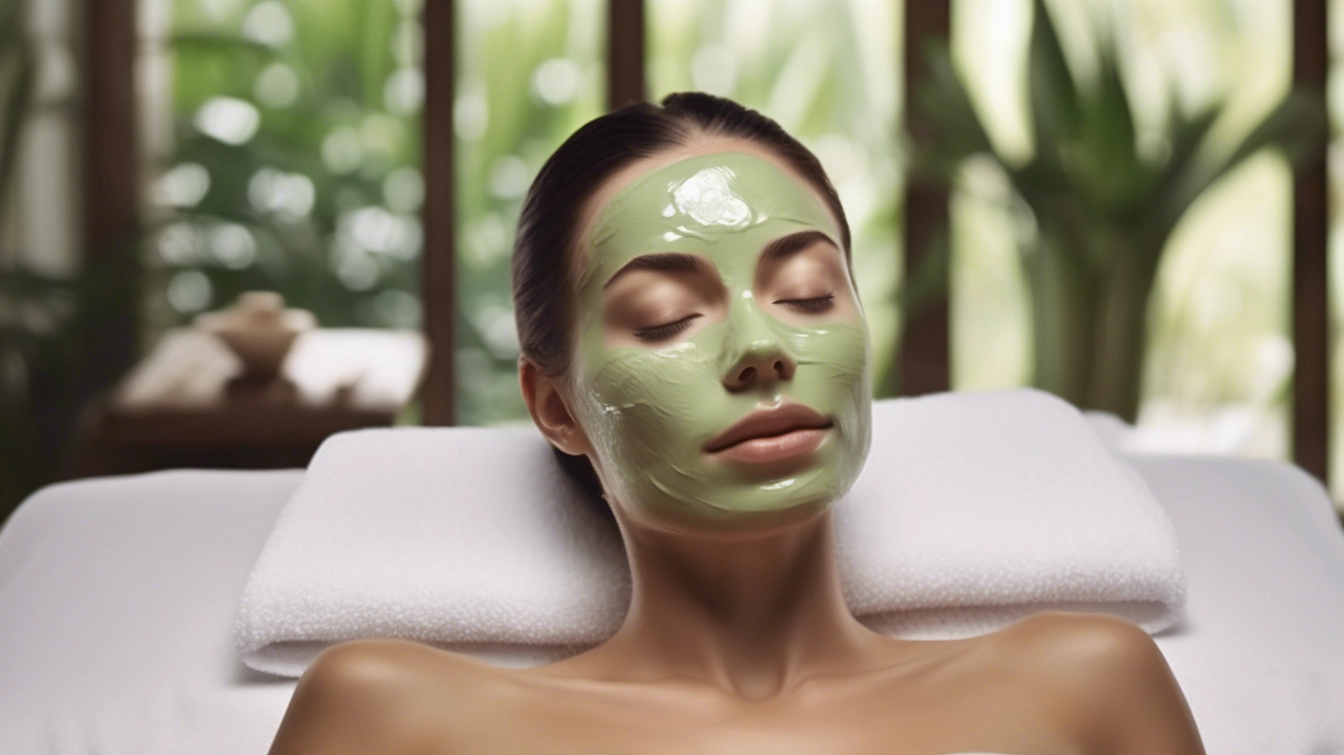
Must-Have Facial Treatments for Healthy Skin | Expert Skincare Tips
Want to show off your skin’s natural glow? This article shares best facial treatments that can change your look. They range from classic spa services to new innovations. These methods aim to boost moisture, lessen blemishes, and brighten your skin.

Struggling with dryness, aging, or dullness? Facial treatments have solutions for you. This guide explains how these treatments work, their benefits, and how to choose the right one for your skin. Get ready to learn about science-backed and natural ways to achieve healthy, glowing skin!
Key Takeaways
- Discover proven facial treatments to improve skin texture and glow.
- Learn how both traditional and advanced methods address different skincare needs.
- Understand how to match facial treatments to your unique skin type.
- Find out the science behind popular procedures and their benefits.
- Get practical tips for maintaining results between professional treatments.
Introduction to Facial Treatments
Facial treatments are special skincare procedures that make your skin look and feel great. They mix science and care to tackle issues like dryness and blemishes. No matter your skin type, there’s a treatment for you.
What Are Facial Treatments?
Facial treatments start with cleansing, exfoliating, and moisturizing. Experts use acids, masks, or serums to deeply nourish your skin. You can choose from hydrating, anti-aging, or detoxifying facials.
Each step helps remove dirt and restore balance. This leaves your skin feeling refreshed and healthy.
Health and Beauty Benefits
- Enhances skin clarity and reduces redness
- Boosts collagen production for firmer skin
- Promotes a natural glowing skin appearance
- Reduces visible signs of stress and environmental damage
Getting regular treatments can make your skin glow all the time. By picking treatments that fit your skin’s needs, you’re investing in your health and beauty. Whether at a spa or at home, the aim is to keep your skin looking its best.
Personalizing Your Facial Treatment for skin: A Guide
Creating the perfect facial treatment starts with knowing your skin’s unique needs. Personalization ensures your routine targets specific concerns while supporting skin rejuvenation. Here’s how to tailor your approach:
- Identify Your Skin Type: Dry, oily, combination, or sensitive skin each require different care. Use at-home tests or consult a professional to start.
- Match Treatments to Goals: Whether focusing on anti-aging or hydration, select ingredients like hyaluronic acid or retinol that align with your objectives.
- Consider Lifestyle Factors: Pollution, stress, or climate can affect skin health. Adjust routines seasonally or based on daily habits to boost skin rejuvenation.
| Skin Type | Key Concerns | Personalized Solutions |
|---|---|---|
| Normal | Maintenance | Weekly gentle exfoliation and moisturizing |
| Oily/Acne-Prone | Breakouts, shine | Salicylic acid treatments to unclog pores and promote skin rejuvenation |
| Dry | Flakiness, tightness | Rich creams and hydrating masks to enhance skin rejuvenation |
| Sensitive | Irritation | Oil-free, hypoallergenic products that nurture skin without harsh chemicals |
A one-size-fits-all approach rarely works. Small adjustments—like swapping cleansers or adding serums—can make big differences. Listen to your skin’s signals and update routines regularly to see results. Your journey to healthy, glowing skin starts with this tailored plan!
Benefits of Advanced Facial Treatments
Advanced facial treatments do more than just clean your skin. They work deep to fix aging, dryness, and dullness. They use special methods that mix science and nature to make your skin look better.
Anti-Aging and Rejuvenation Effects
Anti-aging treatments like microneedling or chemical peels help your skin. They make your skin look smoother by boosting collagen. Brands like Obagi and SkinCeuticals use retinol or peptides for this.
Laser treatments at med spas also help. They make your skin tighter, giving it a lifted look. These methods help slow down aging without surgery.
Enhancing Skin Hydration and Radiance
Hydrating facials add moisture to your skin, making it look plump and bright. Ingredients like hyaluronic acid and ceramides keep moisture in. Vitamin C serums also brighten your skin.
A dermatologist might say:
“Proper hydration isn’t just about moisturizers—it’s key to maintaining a healthy skin barrier and natural luminosity.”
Getting regular treatments helps keep your skin healthy for a long time.
Detox and Deep-Cleansing Facial Treatments
Detox and deep-cleansing facial treatments aim to purify the skin. They help restore its natural balance. These treatments target stubborn impurities and excess oil that regular skincare might miss. For a radiant complexion, it’s important to understand how these treatments work.
Steps to a Detox Facial
- Steam: Warm steam softens skin, opening pores for deep cleansing.
- Exfoliation: Gently scrubbing removes dead cells and unclogs pores.
- Extractions: Aesthetician-guided removal of blackheads and trapped debris.
- Detox mask: Application of clay or herbal masks to absorb toxins.
- Moisturize: Hydrating to restore skin’s protective barrier.
The Role of Deep Cleansing in Skin Health
Deep cleansing is more than just surface cleaning—it’s a preventive strategy. Regular sessions reduce breakouts and inflammation. They also boost product absorption. Below compares daily care with deep-cleansing routines:
| Aspect | Regular Cleansing | Deep Cleansing |
|---|---|---|
| Purpose | Removes daily dirt and makeup | Targets deeper impurities and congestion |
| Frequency | Twice daily | Weekly or biweekly |
| Ingredients | Mild foaming cleansers | Charcoal, salicylic acid, or enzyme blends |
For best results, pair professional treatments with at-home routines. Use products like Paula’s Choice or The Ordinary. Prioritize gentle exfoliants and hydrating toners to maintain results between sessions.
Innovative Techniques in Facial Treatments
Modern facial treatments mix new tech with organic skincare for better results. They use light-based therapies and smart devices. This way, they keep natural ingredients while improving care.
Brands like OSEA and Dr. Hauschka use organic formulas with tools like microcurrent devices. These tools help products absorb better without harsh chemicals.
- LED Light Therapy: Red and blue lights target aging or acne-prone skin, often paired with organic serums for deeper penetration.
- Sonic Exfoliation: Gentle vibrations lift dead cells, making way for organic oils and extracts to nourish the skin barrier.
- Custom Serum Infusions: Clinics now mix organic botanicals like chamomile or turmeric with high-tech delivery systems for targeted hydration.
“Technology and nature aren’t opposites—they’re partners. Organic ingredients work better when delivered with precision.” — Dr. Emily Carter, dermatologist
These methods show organic skincare is not old-fashioned. Innovations like cold plasma devices sterilize pores without harming the skin. Probiotic-based peels use live cultures from organic sources to balance skin health.
The goal is to merge safety with effectiveness. Treatments should feel advanced yet gentle. Whether at a spa or at home, today’s methods let you enjoy progress without losing purity.
Natural Ingredients and Organic Facial Treatments
Nature’s best ingredients make skincare routines powerful for healthy skin. Organic extracts and oils work with your skin to cleanse and renew. A detox facial with these can gently remove toxins, making your skin brighter and more hydrated.

Key Natural Components
These ingredients are the heart of effective organic skincare:
| Ingredient | Benefits | Common Uses |
|---|---|---|
| Aloe Vera | Calms irritation, hydrates | Masks, gels |
| Green Tea | Antioxidants reduce inflammation | Facial sprays, serums |
| Clay | Draws out impurities | Detox facial masks |
Organic Methods for Glowing Skin
Try these ways to improve your routine:
- DIY Clay Mask: Mix bentonite clay with apple cider vinegar for a detox facial that tightens pores.
- Essential Oil Blends: Add lavender or tea tree oil to moisturizers for antibacterial care.
- Herbal Steams: Steam with chamomile or rosemary to open pores and prep skin for a deeper detox facial.
Combine these methods with gentle exfoliation for a complete approach. Always test new ingredients on a small area to avoid reactions. Let nature’s power refresh your skin safely and effectively.
Expert Tips for At-Home Facial Routines
Mastering at-home skincare is easy without fancy tools. Start with natural ingredients like honey, oatmeal, or aloe vera. They soothe and nourish your skin without harsh chemicals. Always test new products on a small area first to avoid any bad reactions.
- Customize your routine: Use a gentle cleanser both morning and night. Then, apply a natural ingredients-based mask 1–2 times a week. Try mixing turmeric with yogurt for a brightening effect or use cucumber slices to reduce puffiness.
- Hydrate smartly: Choose serums with ingredients like rosehip oil or hyaluronic acid. Apply them after cleansing to keep your skin moist without clogging pores.
- Cleanse brushes and tools: Bacteria on applicators can ruin your skincare efforts. Clean your brushes every week and replace sponges every month.
“Consistency is key, not complexity. A simple routine with quality natural ingredients can greatly improve your skin over time,” says Dr. Lisa Chen, a dermatologist at DermCare Clinics.
Look for products with clear labels. Brands like The Ordinary or Herbivore Botanicals are good choices because they list their active botanicals. Don’t over-exfoliate—use acid-based products only 2–3 times a week to avoid irritation. And don’t forget to use sunscreen daily, as it’s a top anti-aging tool.
Small, regular steps lead to big results. Add weekly facials and a healthy diet to your routine for a natural glow.
Understanding Your Skin Types and Needs
Knowing your skin type is key to healthy, glowing skin. The right skin hydration and care depend on it. Let’s see how to match treatments to your skin.
Identifying Your Skin Type
Start by looking at your skin’s natural state. There are a few main types:
- Normal: Balanced texture, no extra oil or dryness.
- Oily: Shiny T-zone, big pores.
- Dry: Flaky patches, feels tight.
- Combination: Oily in some spots, dry in others.
- Sensitive: Easily reacts to products.
Adapting Treatments for Different Conditions
“Your skin type affects how products work. Dry skin needs skin hydration first—others may need oil-control or gentle formulas.” — Dr. Emily Carter, Dermatologist
Change treatments based on your needs:
- For Dry Skin: Use moisturizing masks and hydrating serums.
- For Oily Skin: Use balancing cleansers and non-comedogenic products.
- For Sensitive Skin: Choose fragrance-free, hypoallergenic options.
Got combination skin? Target specific areas. Always focus on skin hydration to keep natural oils. This way, treatments will work best for your skin.
How to Prepare for a Facial Treatment
Getting your skin ready for a facial makes treatments more effective. Follow these steps for better results and a glowing complexion:

Pre-Treatment Skincare Routine
- Cleanse gently with a mild cleanser two days before to remove makeup and oil.
- Avoid harsh exfoliation 24 hours prior to let skin recover.
- Moisturize lightly with an unscented product to keep skin balanced.
Setting Realistic Expectations
Don’t expect overnight changes. A radiant complexion takes time and consistent care. Here’s what to aim for:
| Realistic | Unrealistic |
|---|---|
| Softer texture within a week | Visible changes overnight |
| Improved hydration over weeks | Permanent results without maintenance |
| Healthier skin tone | No need for home care post-treatment |
Talk to your skincare professional about your goals. They’ll create a treatment plan for your skin type. This ensures safe and effective steps toward a brighter look.
Aftercare and Maintenance for Healthy Skin
Keeping your skin looking great after a facial treatment is all about care. Here are some steps to keep your skin glowing:
Post-Facial Skincare Tips
- Cleanse gently with a pH-balanced cleanser for 48 hours post-treatment.
- Apply a soothing moisturizer recommended by your skincare professional.
- Avoid sun exposure and use SPF 30+ daily to prevent UV damage.
Long-Term Maintenance Strategies
Build a skincare routine that keeps your skin healthy for the long haul:
| Strategy | Frequency | Example |
|---|---|---|
| Weekly exfoliation | 1-2x weekly | Chemical exfoliants like glycolic acid |
| Monthly professional check-ups | Every 4-6 weeks | Customized facial treatments tailored to your skin’s needs |
| Hydration habits | Daily | Drink 8+ glasses of water and use a hydrating serum |
Combining professional facial treatments with home care is essential for lasting beauty. Watch how your skin reacts and change products if needed. Sticking to a routine is the secret to a glowing complexion.
Overcoming Common Facial Treatment Myths
Facial treatments often have myths that stop people from trying them. Let’s clear up these misunderstandings and tell what’s true and what’s not.
Debunking Common Misconceptions
- Myth: Facials are only for people with severe skin issues. Reality: Regular facials improve skin health for everyone, helping keep skin glowing.
- Myth: Instant results are guaranteed. Reality: Real changes take time. Consistency and follow-up care are key for lasting results.
- Myth: All facials work the same. Reality: Skincare experts tailor treatments to your skin type and goals, ensuring the best care for glowing skin.
Realistic Perspectives on Results
A
“Skin transformations aren’t magic—they’re science,”
says Dr. Emily Carter, a board-certified dermatologist. Results depend on skin type and homecare routines.
Expect gradual changes, not overnight fixes. Use daily sunscreen and moisturizer to improve results. Patience and professional advice lead to healthier, glowing skin over time.
Conclusion
Choosing the right facial treatment can change how your skin looks and feels. Detox facials and anti-aging serums are great for different needs. It’s important to find what works for you.
Professional treatments and home care should go together. Start by knowing your skin type and what you want. Try chemical peels or LED light therapy.
Brands like Olay and Neutrogena have products for aftercare. Moisturizing and protecting your skin from the sun is key. This keeps your results lasting.
Don’t believe in quick fixes. Real results come from patience and the right approach. Whether it’s a spa visit or a new serum, keep trying new things.
Small steps today can lead to better skin tomorrow. Find what works for you and enjoy the journey. Your glowing complexion is worth it.
FAQ
What are the benefits of facial treatments?
Facial treatments improve your skin’s texture and make it look brighter. They also boost your skin’s health. Treatments clean pores, moisturize, and can tackle issues like acne or aging.
How do I choose the right facial treatment for my skin type?
Knowing your skin type is key. It could be oily, dry, or sensitive. Talking to a skincare expert can guide you to the right treatment for your skin.
How often should I get a facial?
Getting a facial every 4 to 6 weeks is good for most. But, how often depends on your skin and the treatments you choose.
Can I do facial treatments at home?
Yes, you can! Home kits and natural methods work well. Honey, aloe vera, and essential oils can give your skin a spa-like feel.
What should I do to prepare for a facial treatment?
Clean your skin and avoid heavy makeup before a facial. Drinking water and telling your aesthetician about your skin issues will make the treatment better.
Are there any side effects to facial treatments?
Most treatments are safe, but some might cause redness or sensitivity. This is more common with chemical peels or extractions. Always talk to your skincare expert to avoid issues.
What are advanced facial treatments, and how do they differ?
Advanced treatments use new tech like LED therapy or chemical peels. They’re more intense and offer lasting results, unlike regular facials.
How do detox and deep-cleansing facials work?
These facials remove dirt, dead skin, and excess oil. They use steam, exfoliation, and masks to clean your skin deeply, leaving it clear and healthy.
Can natural ingredients be as effective as chemical treatments?
Yes! Natural ingredients like botanicals and antioxidants work well. They’re gentler but provide essential nourishment for healthy, glowing skin.
What should I do after a facial?
After a facial, keep your skin moisturized and avoid the sun. Wait 24 hours before wearing makeup. A good skincare routine will help keep your skin looking great.

No comment